AI can generate an image. Your key has to respond.
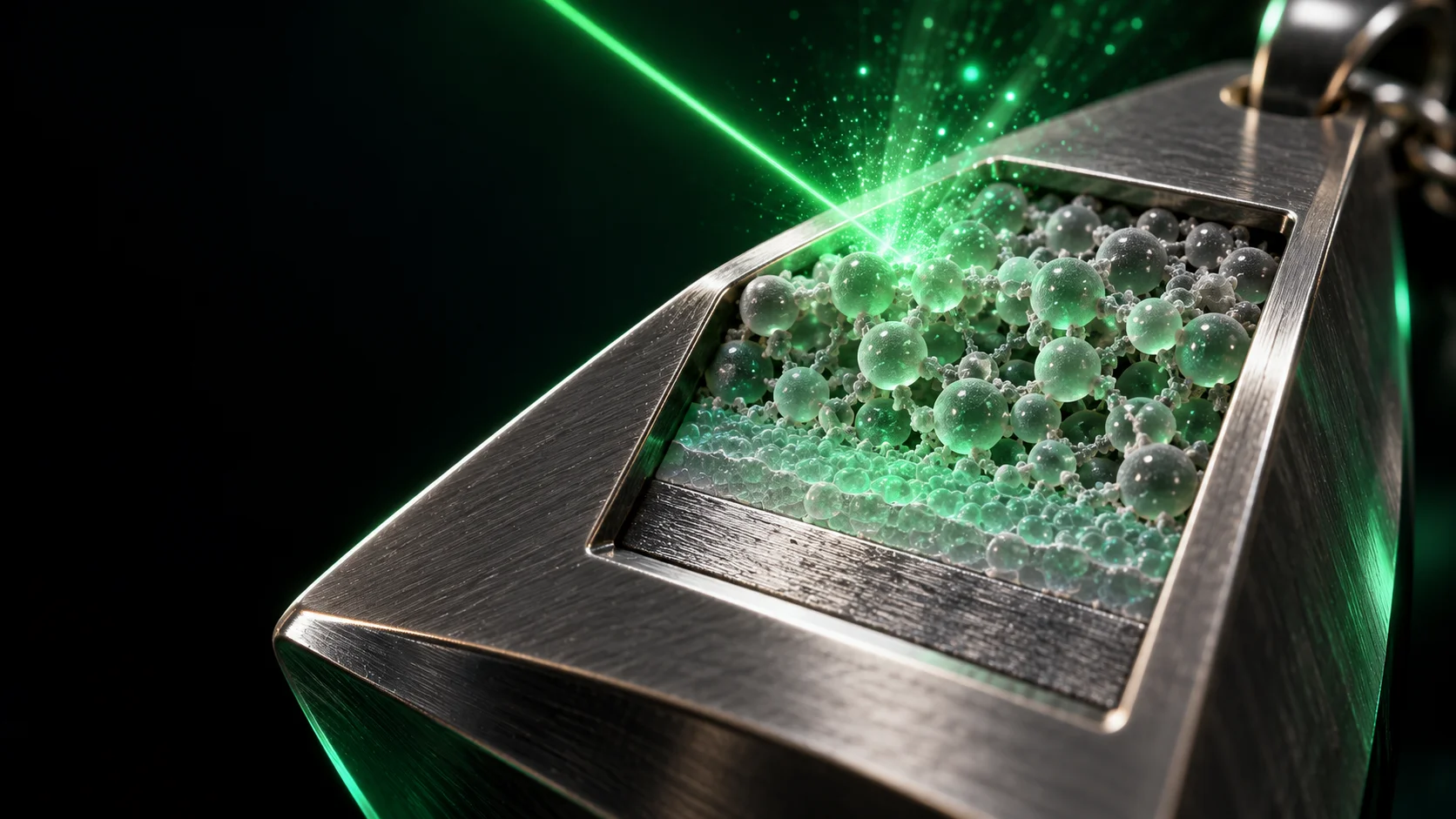
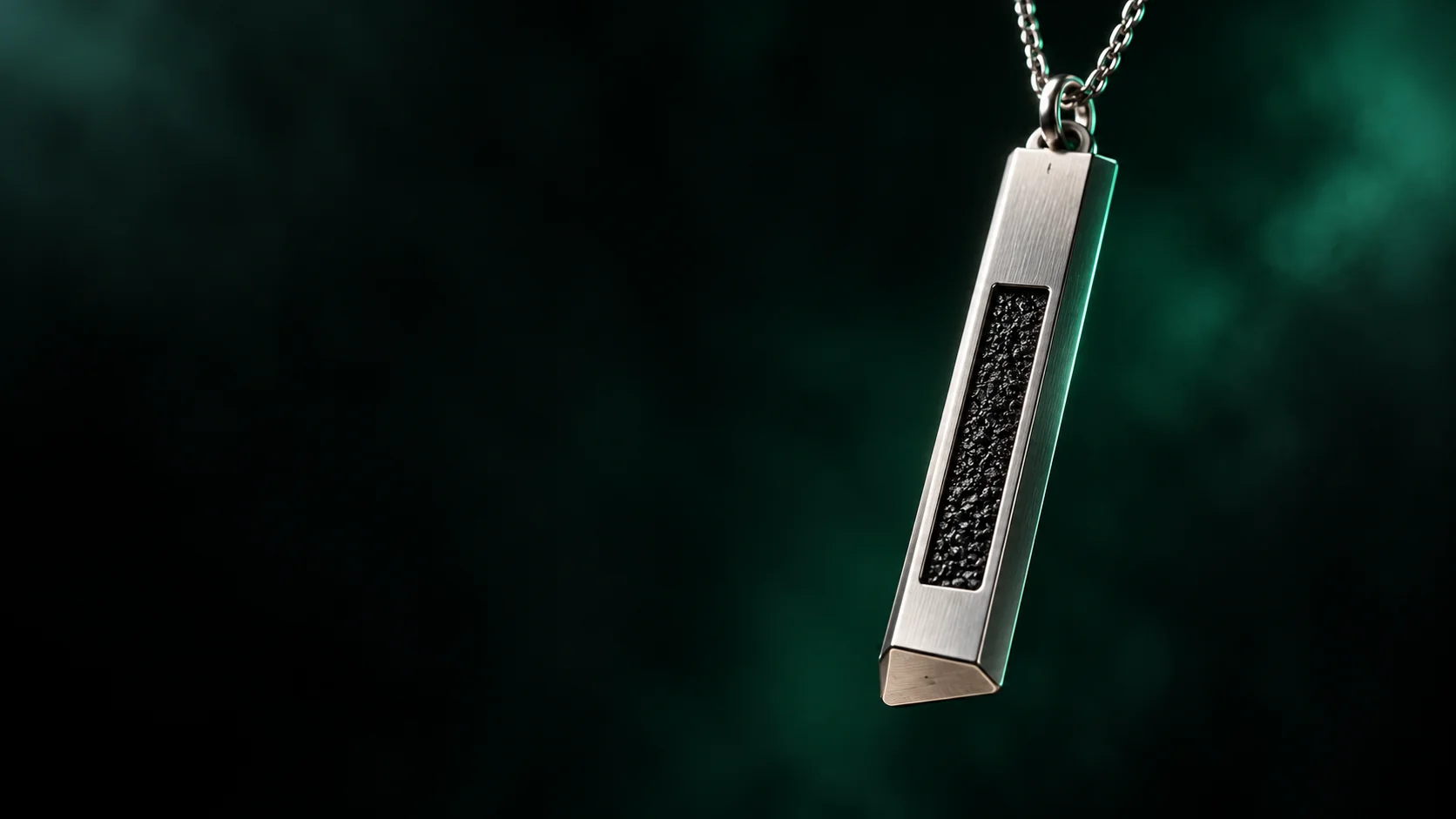
The secret is a random three-dimensional arrangement of nanoparticles inside your key. Tavelure is designed to read that structure with light, so the key itself, not a code or a picture of it, opens the safe.
Every safe in the world has the same flaw. Its secret can be copied.
The shape of a key. A PIN. The code in a card. A fingerprint. A face. Every one of them is just data. And data can be captured.
A key can be copied from a photo taken sixty metres away. Or from the sound it makes, sliding into the lock.
None of them is safe from AI. Because once a secret is captured, it works forever.
So what if the secret wasn't data at all?
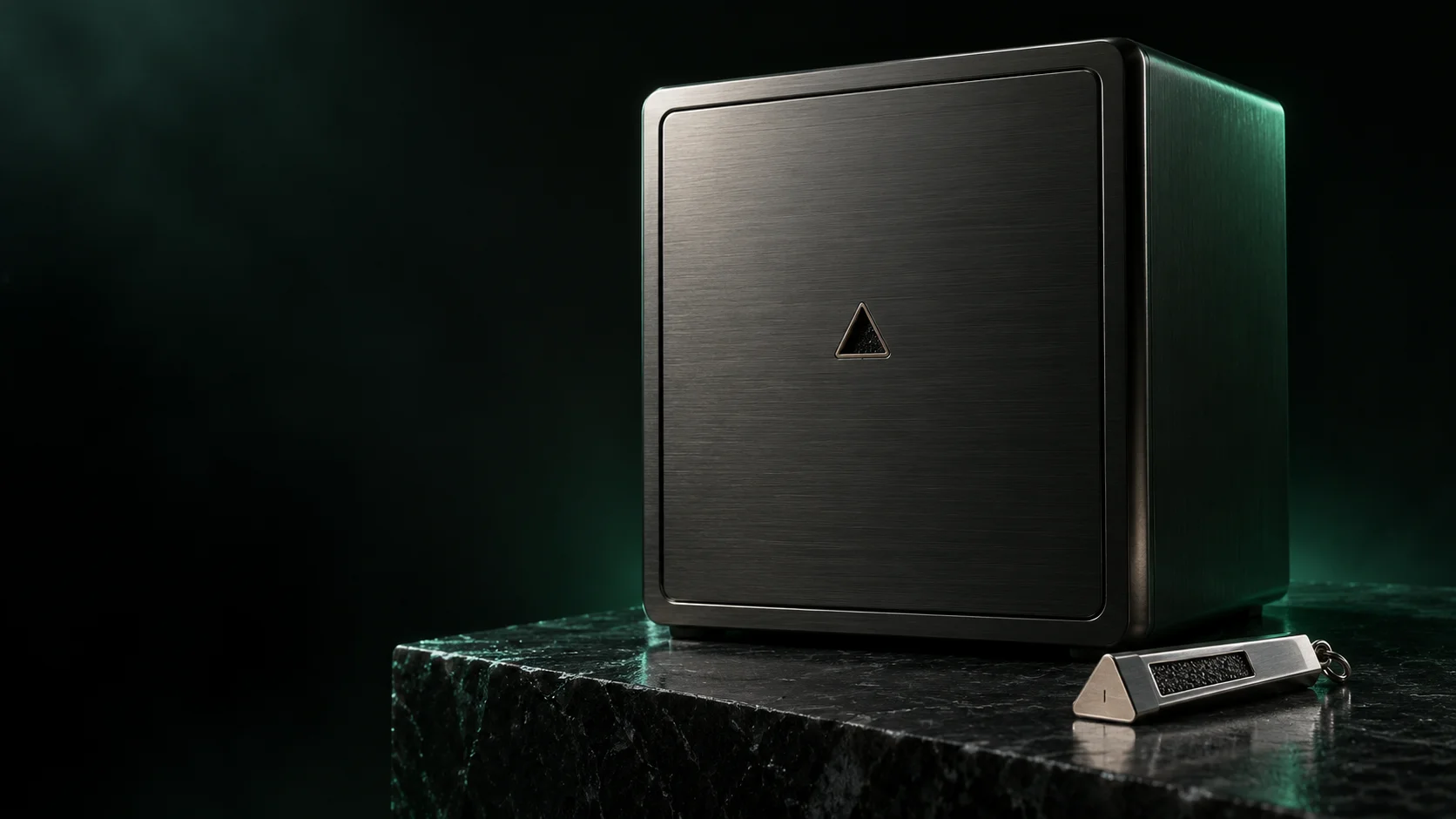
This is Tavelure. Keys made by physics, read by light.
Here's how it opens. Slide your key into the reader, and it wakes up.
A laser shines through a sealed window in the key.
Inside, millions of nanoparticles have settled at random. No one controls where they land, not even us.
The light scatters between them into a speckle pattern, a fingerprint of light that only this key can make.
The reader checks it against your key's registered pattern.
It matches, and the door opens. No code, no database, nothing to steal.
And a copy? Even a perfect one looks identical.
But its nanoparticles settled differently. To light, it's a different key.
It won't open.
It is based on two patents and PhD research conducted at the University of Strasbourg and CNRS.
Tavelure. Designed to be the world's most secure lock.
Early access is limited. Join the private waitlist today.
TAVELURE, EXPLAINED
What makes Tavelure different?
Tavelure’s core idea is physical optical authentication: a coating of randomly placed nanoparticles gives each key a distinctive speckle pattern, read live by laser. Only a match with the key’s registered reference unlocks the proposed reader.